
What Is Software Integration in Modern iGaming Platforms
The world of online casinos has become a very complicated technological environment. Dozens of separate systems must work together without any problems. Software integration is the technical process of linking different systems, platforms, and third-party services into a single operating environment. For iGaming operators, how well their platform integrates with other systems decides whether it can offer real-time games, handle payments safely, stay in line with regulations, and grow without experiencing system breakdowns. Modern casinos, like needforslots casino, use complex structures for integration that keep track of game providers, payment methods, customer management systems, and regulatory reporting tools in many places and currencies at the same time.
What is software integration, and how does it work in online games?

Software integration is the process of connecting different software programs and data sources in a way that makes them work together as a single system. Integration is the process of setting up the communication methods, data mapping standards, and authentication systems that let information flow between platforms without any extra work from the user. APIs, middleware layers, and database synchronization methods are often used in this process to make data move between systems that were meant to work separately at first.
Defining the Integration of Enterprise Software in Casino Operations

When it comes to iGaming, enterprise software integration is more than just making API links. It needs game organizers, bonus engines, fraud detection systems, and server management tools to share data in real time. Casino owners have to combine games from different companies while keeping player sessions, wallet balances, and marketing logic the same across all interactions. This layer of integration handles millions of transactions every day, settles bets in milliseconds, and makes sure that user data stays in sync whether it's viewed through desktop browsers, mobile apps, or third-party platforms.
The technical foundations of casino platforms that use more than one system

Layered interaction designs make modern iGaming platforms work. On different platforms, the display layer is in charge of the user interfaces. Business logic, game sessions, and player accounts are all handled by the service layer. RESTful APIs, webhooks, and message queues are used by the interaction layer to connect external services. Records in operating systems, data warehouses, and compliance files are kept in sync by the data layer. This framework lets managers change game providers, add payment methods, or add new features without having to rebuild the core systems. Middleware platforms make it easier for these layers to talk to each other by translating data types and taking care of identification methods that are different for each third-party service.
Modern iGaming platforms have key systems built in
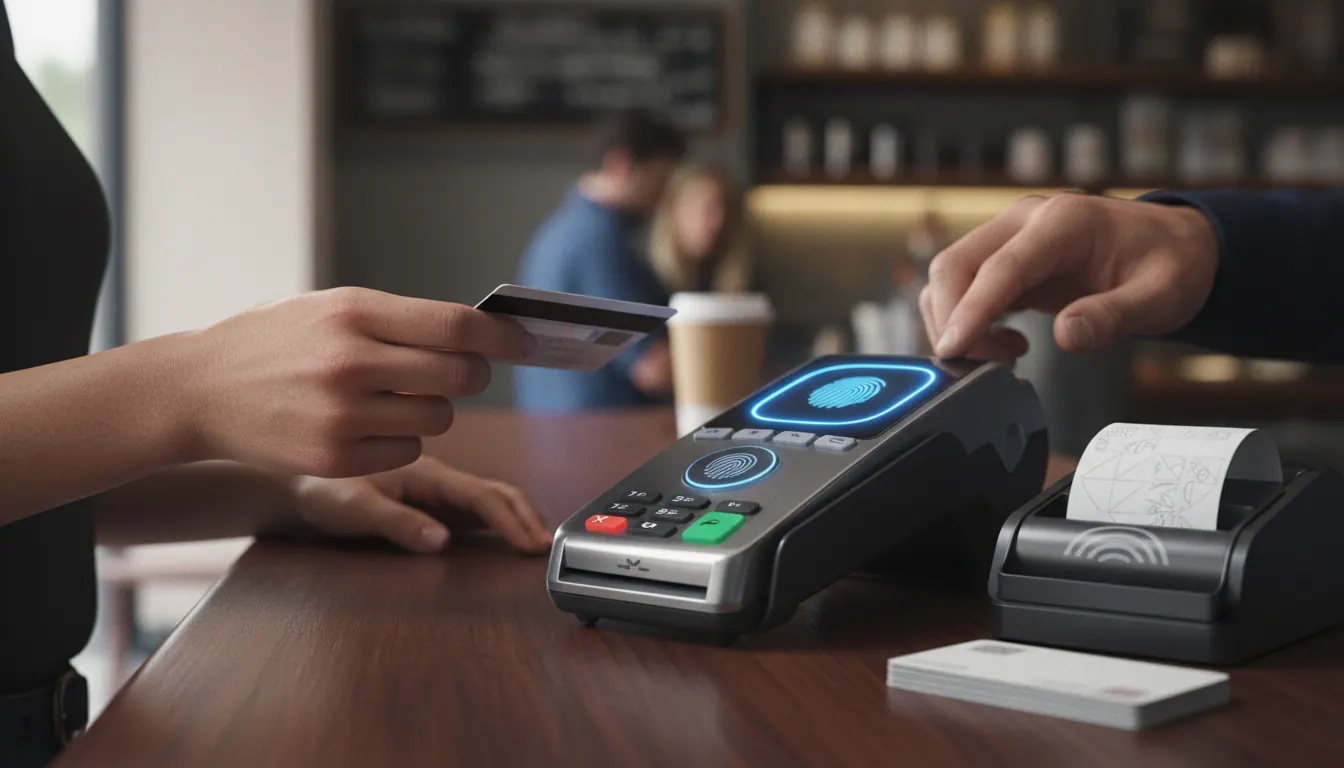
At least fifteen different types of systems must be integrated into an online casino in order for it to be fully functional. Aggregators of game material offer games from many studios through a single point of integration. Payment processors handle dozens of different ways to transfer and receive money. Customer relationship management systems keep track of how players act and what they've said in the past. Bonus engines use complicated sets of rules to figure out and apply special deals. Platforms that look for fraud look at trends of transactions in real time. Regulatory reporting tools make compliance papers for many licensing authorities.
| The main purpose | Fitting in Complexity | General Vendors |
|---|---|---|
| A grouping of games - Getting content to users and managing sessions | High — Lots of protocols | SoftSwiss, EveryMatrix, and Slotegrator |
| Gateway for Payment - Processing transactions and balancing books | Very High: Needs for security | You can use Trustly, Skrill, or Coinbase to make payments |
| Automation of marketing and player info | Medium: the syncing of data | Segment, Compliance, Optimove, and Salesforce |
| Tools for checking and reporting KYC | High standards set by regulators | Problems with ComplyAdvantage, Onfido, and Sumsub |
Integration Specifically for iGaming Business
There are special needs for integrating casino systems that aren't present in regular e-commerce. During server transfers, game rounds must keep their current state. For casinos to contribute to the jackpot, the withdrawals must happen at the same time at all of them. Limits on responsible gaming must be the same for all players, whether they access games through native apps or white-label partners. For currency changes to work, real-time exchange rates must be used when placing bets and when the bets are settled. Because of these rules, it's possible for micro delays or inconsistent data to affect both the player experience and the ability to follow the rules. Integration problems in bonus estimates can lead to disagreements, and problems with the payment gateways can stop withdrawals, which is against the contract.
Why integrating software is so important for the growth of online casinos

How scalable iGaming operations are depends on how well linked systems can handle more users without slowing down. A casino that serves 10,000 players at once needs a very different integration design than one that serves only 500 people at a time. As the number of players increases, integration layers need to make sure that requests are sent to multiple sites, that frequently used data is cached, and that failover methods are put in place so that a single point of failure doesn't stop operations.
Effects of a Good Integration Architecture on Business
When casino systems are properly linked, they lower running costs by automating tasks that would have to be done by hand otherwise. When accounting tools and payment systems work together seamlessly, finance teams don't have to physically match up thousands of transactions every day. When game providers link through standard aggregation layers, operators can add new content without having to make it from scratch for each company. When customer service tools connect to player databases, workers can solve problems faster because they can see full account records right away. As operations get bigger, these efficiency gains add up. This is why merger quality is one of the most important factors in determining long-term success in competitive markets.
Technical Needs for Operations in Multiple Jurisdictions

- Set up geo-targeting so that the right content is served immediately based on where the player is and any license limits.
- Set up currency conversion tools that can handle bets and returns in dozens of different cash and cryptocurrency currencies at the same time.
- Set up regulatory reporting integrations that make compliance papers for each state automatically, without having to manually put together data.
- Set up responsible gambling features that regularly enforce deposit limits and cooling-off times across all platform touchpoints.
- Create payment routing logic that chooses the best operators based on the type of transaction, the amount, the location of the person, and the success rate in real time.
- Keep the session management interface that keeps the player's state when they switch devices or the network goes down.
- Set up a bonus engine integration that follows strict rules for promotions and stops abuse through coordinated tracking systems.
"The integration layer is the only thing that separates a functional casino platform from a truly scalable operation. We've seen operators with a great range of games fail because their systems couldn't handle the data synchronization needed for thousands of players to play on multiple providers at the same time."
— Chief Technology Officer of a big European company that makes technology for online casinos
Software integration services for gaming environments that are safe and regulated

Integrated casino systems need to encrypt all data transfers, have ways to check the name of each system, and keep records of all contacts between platforms for security reasons. Integration services need to use OAuth protocols, authentication based on certificates, and role-based access rules to limit the data that each linked system can see. PCI DSS compliance is needed for financial transaction integrations, and GDPR compliance is needed for player data trades across countries.
Integration Standards Based on Compliance
| Needed by regulators | Effects of Integration | Implementation of Technology | Method of Verification |
|---|---|---|---|
| GDPR Moving data around | Player data can be exported to all systems | API addresses so that all data can be retrieved | Automated checks for compliance |
| AML Watching over transactions | Payment review in real time | Webhooks for scam prevention built in | Screening tools cleared by regulators |
| Limits for Responsible Gambling | Cross-platform enforcement of restrictions | Limit datasets that are synchronized | Monitoring systems run by third parties |
| Checking for Fairness in the Game | RNG tracking of certifications | Integrations for certificate checking | Procedures for lab tests |
Data security in casinos with multiple systems
During a normal game experience, information about the player moves between several systems that work together. Data from signup forms is sent to CRM platforms and Know Your Customer (KYC) identification services. The amounts of deposits are sent to payment companies, financial systems, and engines that figure out bonuses. Marketing automation tools, loyalty programs, and government reporting systems all use information from game play. Every transmission point could be a security hole if the integration methods don't use the right encryption and access rules. Tokenization is a technique used in modern integration designs to keep private data safe while temporary tokens move through less important systems. This method keeps functions working while keeping personally identifiable information from getting out across integrated platforms.
"Regulators are judging casino operators more and more on how well their integrated systems keep data safe and secure. One failure to follow compliance rules in one linked part can put licenses in many places at risk, so integration security is more than just a technical problem that needs to be thought about at the board level."
— A lawyer who specializes in iGaming licenses
Magic Software Has a Lot of Experience Integrating Business Software

Companies that work in controlled fields need integration options that are both flexible and strict about following the rules. Magic Software has made integration tools that businesses can use to manage complicated multi-system settings that must keep data safe and consistent. With their integration development tools, expert teams can easily make special links between old systems and new cloud platforms, without having to write a lot of code. This method works especially well in fields like telecoms and financial services, where practical needs are a lot like iGaming's need for processing transactions in real time and filing with regulators.
The company's low-code integration platform lets users view map data flows, set transformation rules without writing code, and use hybrid cloud systems to launch integration processes. These features solve common problems in iGaming, like how to connect gaming computers on-site to analytics platforms in the cloud, keep player databases in sync across different areas, and make sure that data formats are the same across game providers that use different technical standards. Magic Software isn't just good at casino technology, but their knowledge of business integration makes it easy for multiple systems to share sensitive data consistently while still meeting strict performance standards.
In conclusion
Software integration is the most important technical skill that separates online casinos that just work from those that can really grow. Integration architecture decides how well iGaming platforms work and how much they can grow as they add more specialized systems for managing players, delivering content, and handling payments. When operators engage in strong integration frameworks, they set themselves up to quickly adapt to changes in the market, new rules, and technological improvements that require adding new features without having to rebuild their infrastructure.
Frequently Asked Questions
What is software integration in online casinos?
Software integration in online casinos is the technical process of connecting different systems, platforms, and third-party services into a single operating environment. It involves linking game providers, payment methods, customer management systems, and regulatory reporting tools to work together seamlessly without manual intervention.
Why is software integration important for iGaming platforms?
Software integration is crucial because it determines whether an iGaming platform can offer real-time games, handle payments securely, maintain regulatory compliance, and scale operations without system breakdowns. Proper integration lowers operating costs by automating manual tasks and allows operators to adapt quickly to market changes and new regulations.
What systems need to be integrated in a modern online casino?
A fully functional online casino requires at least fifteen different types of systems to be integrated, including game aggregators, payment processors, customer relationship management systems, bonus engines, fraud detection platforms, regulatory reporting tools, KYC verification services, and responsible gambling monitoring systems.
How does Magic Software help with casino integration?
Magic Software provides low-code integration platforms that help businesses manage complicated multi-system environments while maintaining data security and consistency. Their tools allow expert teams to create custom connections between legacy systems and modern cloud platforms without extensive coding, making them particularly useful for industries requiring real-time transaction processing and regulatory compliance.
What are the security requirements for casino software integration?
Casino software integration requires encryption of all data transfers, system authentication methods, and comprehensive logging of all platform interactions. Integration services must use OAuth protocols, certificate-based authentication, and role-based access controls. PCI DSS compliance is required for financial transactions, and GDPR compliance is necessary for player data exchanges across borders.